A common household problem occurs when the freezer continues to keep food frozen while the refrigerator compartment becomes too warm. Many homeowners assume the entire appliance has failed, but in most cases, the issue is related to airflow, cooling distribution, or a malfunctioning component inside the refrigeration system.
Understanding why this happens can help you diagnose the problem quickly and determine whether a simple fix is possible or if professional repair is required.
In most modern refrigerators manufactured by companies such as Whirlpool, Samsung, LG Electronics, and GE Appliances, the cooling process begins in the freezer section.
The evaporator coil located inside the freezer generates cold air. An evaporator fan then circulates this cold air throughout the appliance. A portion of the air is directed into the refrigerator compartment through vents and air ducts. If anything interrupts this airflow, the freezer may remain cold while the refrigerator warms up.
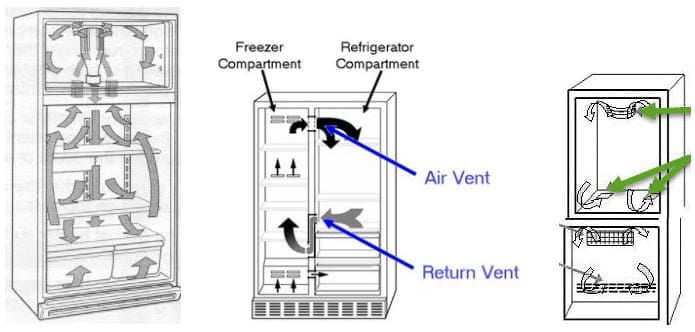
One of the most common causes is blocked air vents.
Food containers, frozen packages, or ice buildup can obstruct the vents that allow cold air to move from the freezer into the refrigerator section. When airflow is restricted, the freezer stays cold because it is closest to the cooling source, while the refrigerator receives little or no cold air.
Freezer temperature remains normal.
Refrigerator temperature rises above 40°F (4°C).
Frost or ice appears around vent openings.
Airflow feels weak when the refrigerator door is open.
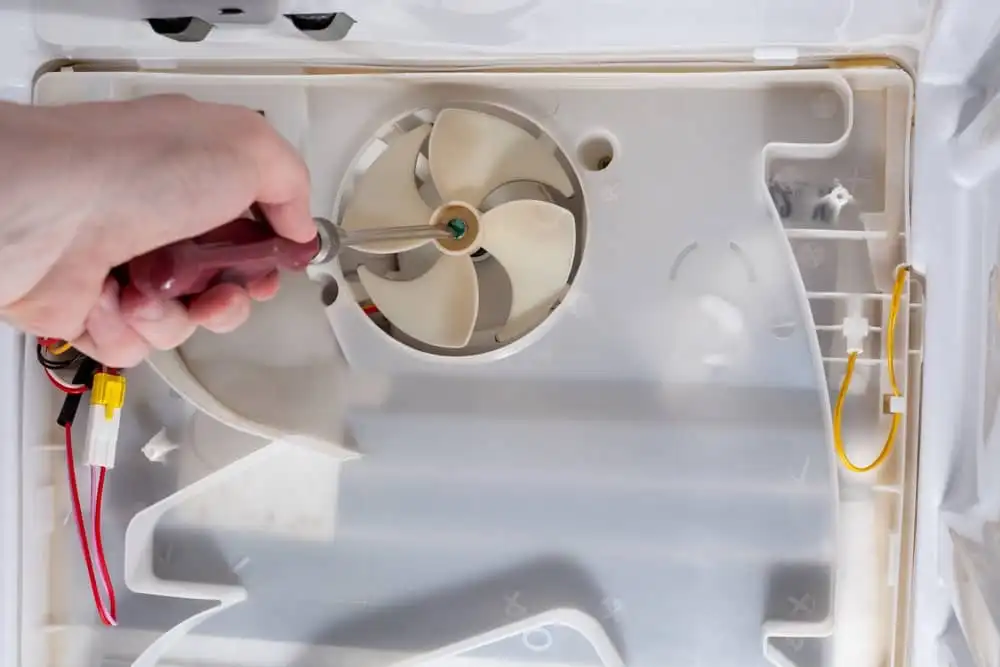
The evaporator fan is responsible for moving cold air throughout the appliance.
If the fan motor stops working or becomes weak, the freezer may still produce cold temperatures around the evaporator coil, but cold air will not circulate properly into the refrigerator compartment.
Unusual buzzing or grinding noises.
Little or no airflow from refrigerator vents.
Warm refrigerator and cold freezer.
A defective evaporator fan is one of the most frequent repair issues technicians encounter.

Modern refrigerators use an automatic defrost system to prevent excessive frost accumulation.
When components such as the defrost heater, defrost thermostat, or control board fail, ice can completely cover the evaporator coil. This layer of frost prevents proper airflow and cooling distribution.
Thick frost behind the freezer's rear panel.
Reduced airflow.
Gradually increasing refrigerator temperature.
In many cases, manually defrosting the appliance temporarily restores cooling until the defective component is replaced.
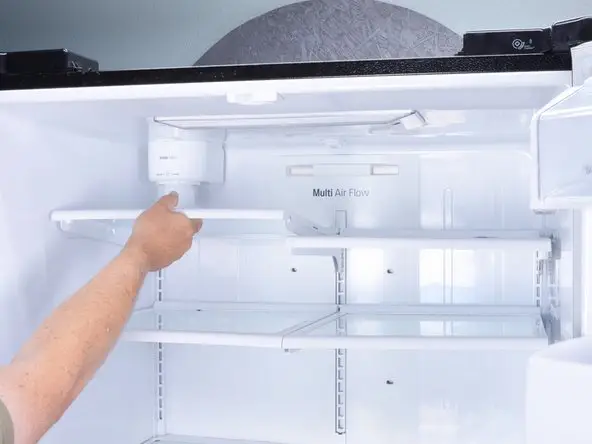
The air damper controls how much cold air enters the refrigerator section.
If the damper becomes stuck closed, cold air remains trapped in the freezer. As a result, frozen foods stay frozen while fresh food compartments become warmer.
Symptoms may include:
Freezer operating normally.
Refrigerator temperatures fluctuating.
No noticeable airflow through refrigerator vents.
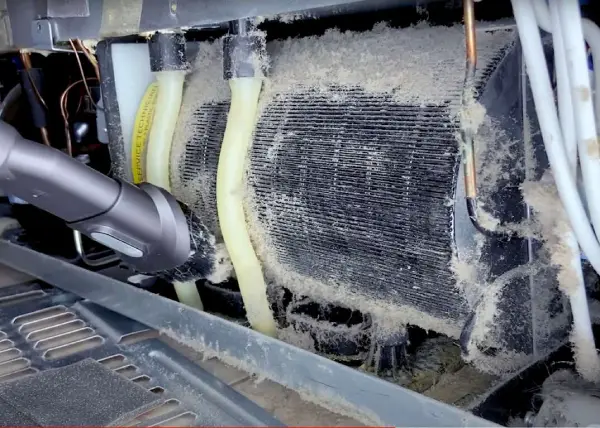
Condenser coils release heat removed from inside the appliance.
Over time, dust, pet hair, and debris can accumulate on the coils, reducing cooling efficiency. While this issue usually affects both compartments, it can sometimes first become noticeable in the refrigerator section.
Clean condenser coils every six to twelve months using a vacuum cleaner or coil brush.
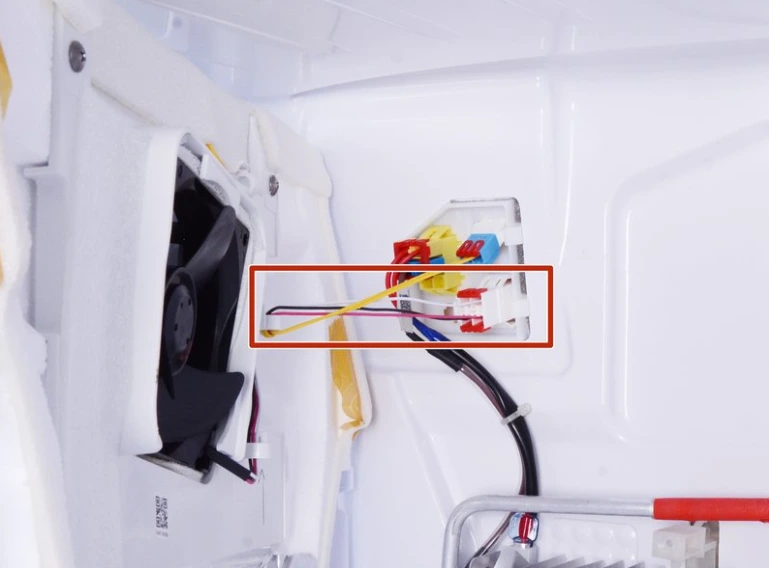
Many modern refrigerators rely on electronic temperature sensors called thermistors.
A faulty thermistor may send incorrect temperature readings to the control board. The refrigerator may mistakenly reduce cooling even though additional cold air is needed.
Possible symptoms include:
Inconsistent temperatures.
Random cooling cycles.
Error codes on digital displays.
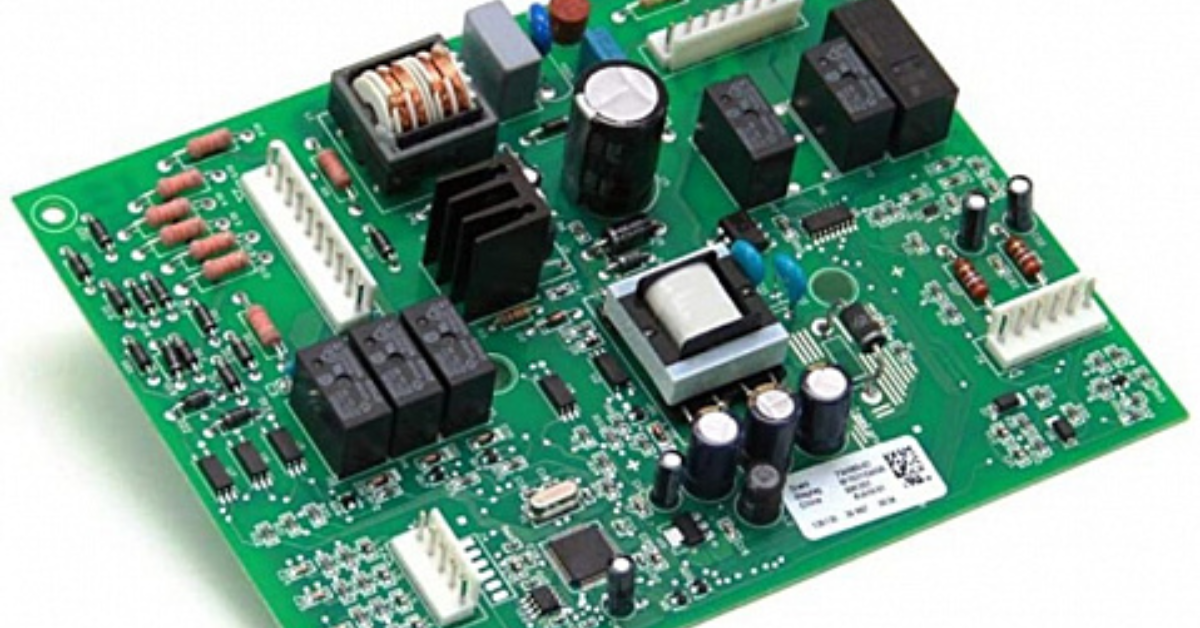
The electronic control board acts as the appliance's brain.
It regulates fans, dampers, compressors, and defrost cycles. If the board develops a fault, cooling components may not operate correctly even though the freezer continues to receive enough cooling.
Because diagnosing control boards requires specialized equipment, professional service is often recommended.
Before calling a technician, follow these simple troubleshooting steps:
Verify that refrigerator vents are not blocked.
Listen for the evaporator fan running inside the freezer.
Check for excessive frost buildup.
Clean condenser coils.
Confirm that temperature settings are correct.
Ensure doors close and seal properly.
These checks can often identify the source of the problem without requiring major repairs.
If the refrigerator remains warm after basic troubleshooting, it may be time to contact a professional fridge repair service for a complete diagnosis and repair.
Contact a qualified appliance technician if:
The evaporator fan is not running.
Heavy frost repeatedly returns after defrosting.
The compressor cycles abnormally.
Electronic error codes appear.
The refrigerator remains warm after basic troubleshooting.
Professional diagnosis can prevent food spoilage and avoid more expensive repairs later.
When the freezer is cold but the refrigerator is warm, the root cause is usually related to airflow rather than a complete cooling failure. Blocked vents, a faulty evaporator fan, frost-covered evaporator coils, damaged dampers, dirty condenser coils, or electronic control issues are among the most common reasons.
By understanding how cold air moves through the appliance and performing a few basic checks, homeowners can often identify the problem quickly and determine whether a simple fix or professional repair is needed.
This usually happens when cold air is not circulating properly from the freezer to the refrigerator compartment. Common causes include a faulty evaporator fan, blocked air vents, excessive frost buildup, or a malfunctioning damper control.
Yes. Dirty condenser coils reduce the appliance’s ability to release heat efficiently, forcing the refrigerator to work harder and potentially causing the fresh food section to become warmer than normal.
If you don’t hear the fan running when the freezer door is closed, or if the refrigerator compartment is warm while the freezer remains cold, the evaporator fan motor may have failed and should be inspected.
Turn off the refrigerator and allow the ice to melt completely. If the problem returns, there may be an issue with the defrost system, such as a faulty defrost heater, thermostat, or control board.
Yes. A malfunctioning thermostat may prevent the refrigerator from maintaining the correct temperature, resulting in inadequate cooling in the refrigerator compartment.
Food can spoil quickly if the refrigerator temperature rises above 40°F (4°C). It’s best to troubleshoot the issue as soon as possible and move perishable items to another refrigerator if necessary.
 Request Service
 (647) 492-7773
