If your ice maker is not making ice, the most common causes are a clogged water filter, frozen water supply line, low water pressure, incorrect freezer temperature, faulty water inlet valve, or a malfunctioning ice maker assembly. Start by checking the water supply, replacing the water filter if needed, and ensuring the freezer temperature is between 0°F and 5°F (-18°C to -15°C).
A broken ice maker can be frustrating, especially when you rely on it daily. Whether your refrigerator ice maker has stopped producing ice completely, is making small ice cubes, or is leaking water, identifying the root cause is the first step toward fixing the problem.
Modern refrigerators from brands such as Whirlpool, Samsung, LG, GE, Frigidaire, KitchenAid, and Maytag use automated ice-making systems that depend on proper water flow, temperature control, and electrical components.
You may notice one or more of the following symptoms:
Ice maker not making ice
Ice cubes are too small
Ice production is slow
Ice maker is leaking water
Ice dispenser not working
Ice cubes are stuck together
Ice maker making unusual noises
Ice maker stopped after changing the water filter
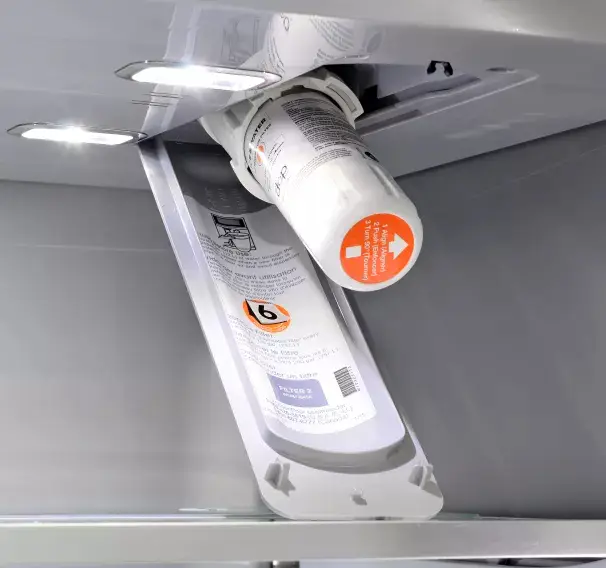
A dirty or clogged refrigerator water filter restricts water flow to the ice maker.
Small ice cubes
Slow ice production
No ice production
Replace the water filter according to the manufacturer's recommendation, typically every six months.
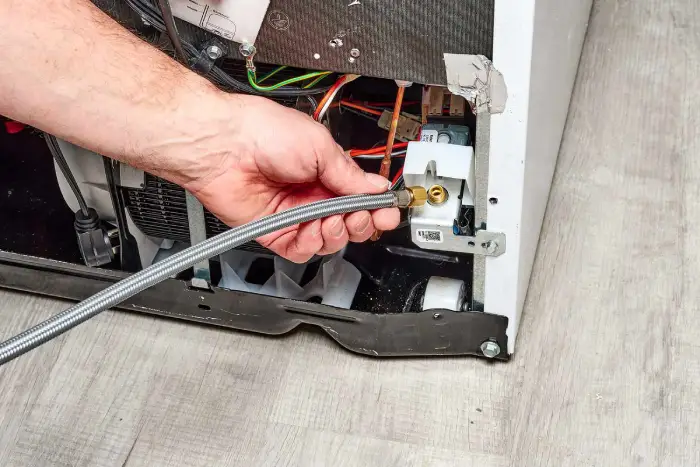
Water lines can freeze due to excessively low freezer temperatures or poor airflow.
No water reaching the ice maker
Ice maker cycles but produces no ice
Turn off the refrigerator and allow the line to thaw. Verify that freezer temperature settings are correct.
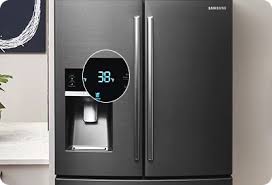
Ice makers require sufficiently cold temperatures to operate properly.
Freezer: 0°F to 5°F (-18°C to -15°C)
If temperatures rise above 10°F (-12°C), ice production may stop.
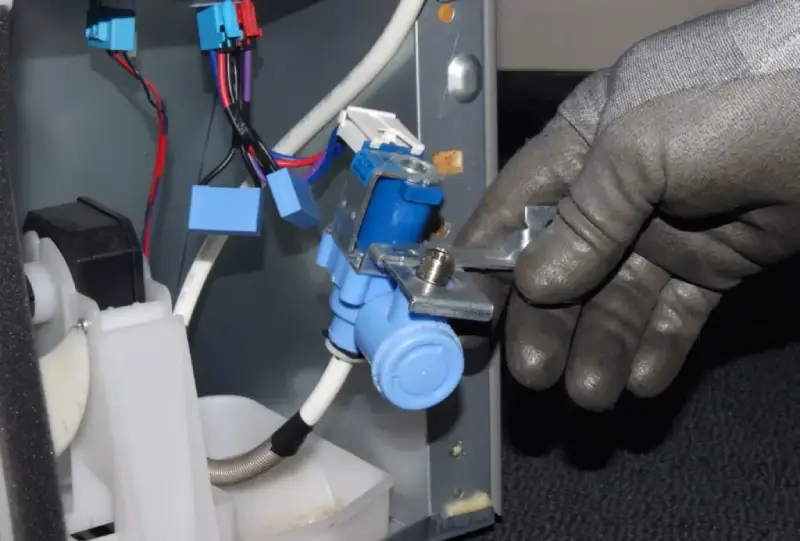
The water inlet valve controls water flow into the ice maker.
No ice production
Humming noises
Inconsistent ice making
A defective valve usually requires replacement by a qualified appliance technician.
The internal motor, thermostat, heater, or control module may fail over time.
Ice maker completely inactive
No harvest cycle
Error codes on smart refrigerators
Replace the ice maker assembly or consult a refrigerator repair specialist.
Most ice makers require adequate water pressure to fill the ice mold properly.
Hollow ice cubes
Small ice cubes
Intermittent ice production
Check household water pressure and inspect the water supply line for kinks or restrictions.
While any refrigerator can experience ice maker problems, service technicians frequently report ice maker-related complaints in the following refrigerator families:
Common issues:
Frozen ice room
Ice buildup around the ice maker
Ice maker not ejecting cubes
Popular models:
Samsung RF28R7351SG
Samsung RF263BEAESR
Samsung RF28JBEDBSG
Common issues:
Craft Ice maker failure
Water supply interruptions
Ice production delays
Popular models:
LG LFXS26973S
LG LMXS28626S
LG LRMVS3006S
Common issues:
Faulty ice maker modules
Water inlet valve failures
Popular models:
Whirlpool WRS325SDHZ
Whirlpool WRX735SDHZ
Common issues:
Ice dispenser malfunctions
Frozen fill tubes
Popular models:
GE GFE28GYNFS
GE Profile PVD28BYNFS
Common issues:
Ice maker motor failure
Water fill problems
Popular models:
Frigidaire Gallery GRFS2853AF
Frigidaire FG4H2272UF
Many refrigerator ice makers can be reset using a dedicated test or reset button.
Locate the ice maker.
Find the reset or test button.
Press and hold for 5–10 seconds.
Wait for the ice maker to complete a test cycle.
Allow 24 hours for normal ice production to resume.
Always refer to your refrigerator owner's manual for model-specific instructions.
Contact a refrigerator repair technician if:
The ice maker remains inoperative after troubleshooting.
Water is leaking inside the freezer.
Electrical components appear damaged.
Error codes continue to appear.
The water inlet valve or control board needs replacement.
A broken ice maker is usually caused by water supply issues, temperature problems, clogged filters, frozen lines, or component failures. Regular maintenance, timely filter replacement, and proper freezer temperature settings can prevent most ice maker problems. If basic troubleshooting does not restore ice production, professional diagnosis may be necessary to identify faulty components and ensure reliable operation.
Common causes include a clogged water filter, frozen water supply line, faulty water inlet valve, incorrect freezer temperature, or a malfunctioning ice maker assembly.
Most ice makers require the freezer temperature to be around 0°F (-18°C) or lower. If the freezer is too warm, ice production may slow down or stop completely.
Check whether the water dispenser is working properly. If water flow is weak or absent, the issue may be related to the water line, filter, or inlet valve.
Yes. A clogged or overdue water filter can restrict water flow to the ice maker, preventing it from producing ice efficiently.
Small or hollow ice cubes are often a sign of low water pressure, a partially blocked water line, or a failing water inlet valve.
Most ice makers begin producing ice within a few hours after being reset, but it may take up to 24 hours to reach normal production levels.
If the ice maker still doesn’t work after checking the water supply, filter, temperature settings, and reset function, professional diagnosis may be needed to identify problems with the ice maker module, control board, or water inlet system.
 Request Service
 (647) 492-7773
